Extension types

CTICloud Extension Types and Options

CTICloud platform supports multiple types of extension binding methods, providing flexible choices for different work scenarios and technical requirements. Agents can select the most suitable extension type based on their office environment, network conditions, and personal preferences.

1. Hardware SIP Phones

1.1 Overview

Hardware SIP phones are professional IP telephone devices that provide high-quality voice communication services through Ethernet connection. For inbound customer service scenarios that require stable and reliable call quality, hardware SIP phone solutions are strongly recommended for customer service scenarios.

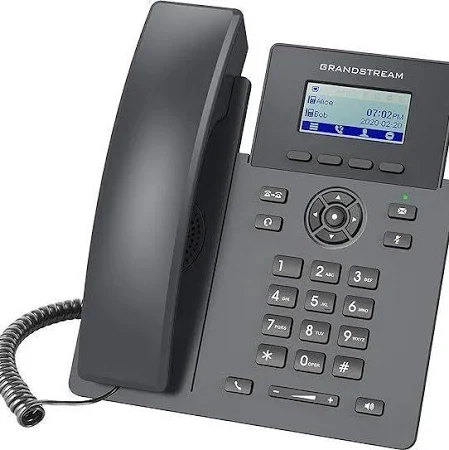
GrandStream SIP Phone


Figure 1: Grandstream SIP Phone Product Display
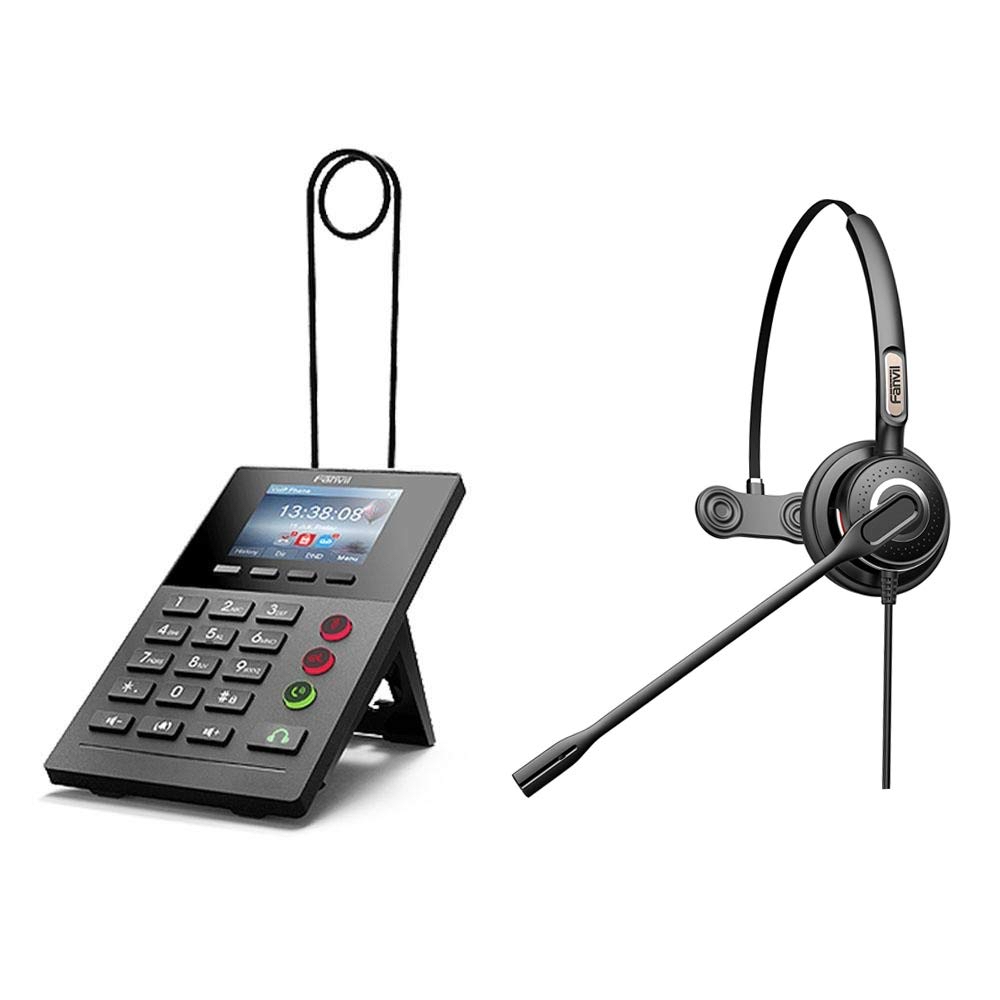
Fanvil SIP Phone

Fanvil SIP Phone


Figure 2: Fanvil SIP Phone Product Display

1.2 Recommended Brands

CTICloud is compatible with mainstream SIP phone brands in the market, recommending the following manufacturers:

Grandstream

  • High cost-effectiveness with rich features
  • Supports multiple codec formats and security protocols
  • High market share in SMB market

Yealink

  • Professional call center solutions
  • Excellent audio quality and user experience
  • Powerful management and deployment tools

Poly (formerly Polycom)

  • Enterprise-grade audio processing technology
  • Advanced conferencing and collaboration features
  • Suitable for large enterprise environments

Cisco

  • Leading brand in enterprise communications
  • Complete UC ecosystem integration
  • High security and reliability

1.3 Selection Considerations

1. Compatibility & Protocol Support

  • SIP Protocol: Must support standard SIP (RFC3261)
  • Security Protocols: SRTP/TLS encryption support
  • Codec Formats: G.711, G.722, G.729, Opus, etc.
  • Platform Compatibility: Confirmed compatibility testing with CTICloud platform

2. Network Access & Power Supply

  • 🔌 Ethernet Interface: Dual port design supporting PC pass-through connection
  • PoE Power: Power over Ethernet support simplifies deployment
  • 📶 Wireless Connection: WiFi/DECT wireless model signal stability
  • 🌐 Network Adaptation: Adaptability to different network environments

3. Extended Functions & Usability

  • 📋 BLF/DSS Module: Busy Lamp Field and Direct Station Select extension keys
  • 🖥️ Display Screen: Color touchscreen, LCD display, etc.
  • 🎧 Audio Interface: Headset interface, hands-free function
  • 🔊 Audio Quality: HD Audio, noise reduction technology

4. Cost & Maintenance

  • 💰 Purchase Cost: Device price matching with budget
  • 🔄 Firmware Upgrade: Vendor firmware update frequency and support cycle
  • 🛠️ After-sales Service: Localized technical support and repair services
  • 📦 Bulk Deployment: Logistics and configuration costs for large-scale deployment

5. Enterprise Considerations

  • 🏢 Supply Chain Stability: Brand stability and sufficient channels
  • 📜 Compliance Certification: Relevant industry certifications and security standards
  • 🔒 Security Management: Device management and security policy support
  • 📈 Scalability: Device expansion capability for future business growth

2. PC SIP Softphone - CTICloud-SIPPhone

2.1 Product Overview

CTICloud-SIPPhone is a professional desktop softphone software provided by CTICloud, deeply customized based on the open-source MicroSIP project and optimized specifically for call center scenarios.


Figure 3: CTICloud-SIPPhone Logo


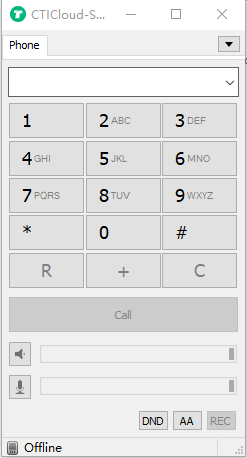
Figure 4: CTICloud-SIPPhone Software Interface

2.2 Core Features

Automated Management

  • 🚀 Auto-start: Automatically runs when Windows system starts
  • 🔄 Auto-registration: Seamless integration with CTICloud platform, automatic SIP registration
  • Quick Switch: Supports automatic failover for dual-active platforms
  • 📡 Remote Configuration: Supports server-side configuration delivery and automatic updates

Intelligent Call Handling

  • 📞 Auto-answer: Configurable auto-answer mode
  • 🎛️ Controlled Answer: Flexible call control policies
  • 🔔 Call Alerts: Multiple call notification methods
  • 📋 Call Recording: Local call recording

High-Quality Audio

  • 🎵 Multi-codec Support: G.711, G.722, G.729, Opus, etc.
  • 🎧 Audio Optimization: Echo cancellation, noise suppression
  • 🔊 Device Adaptation: Support for various audio devices and headsets

Platform Integration

  • 🖥️ Workstation Integration: All phone operations in CTICloud agent workstation
  • 🔗 API Interface: Rich secondary development interfaces
  • 📱 Status Sync: Real-time sync with platform agent status

2.3 Technical Advantages

Advantages based on MicroSIP open-source project:

  • 🏗️ Lightweight Architecture: Low resource usage, no installation required, stable operation
  • 🔧 Highly Customizable: Customizable functions according to customer needs
  • 🔐 Secure & Reliable: Open-source code audit ensures security

3. Web Browser WebRTC Phone

3.1 Technical Overview

A browser-based real-time voice communication solution implemented using Google WebRTC (Web Real-Time Communication) technology. Agents only need to use modern web browsers without installing any software to achieve voice calling functionality.

3.2 Browser Support

Chrome: Complete WebRTC support, recommended for use ✅ Firefox: Good WebRTC compatibility ✅ Edge: Microsoft Edge (Chromium kernel) ✅ Safari: WebRTC support, note permission settings for iOS Safari

3.3 Core Advantages

Zero Installation Deployment

  • 🌐 Ready to Use: Use immediately upon opening browser, no download/installation required
  • 🔄 Automatic Updates: Automatically get latest features and security updates with browser
  • 💻 Cross-platform: Full platform support for Windows, macOS, Linux
  • 📱 Mobile Support: iOS, Android mobile device browser support

Modern Web Technology

  • Real-time Communication: Low-latency P2P audio transmission
  • 🔐 Built-in Security: DTLS and SRTP end-to-end encryption
  • 🎛️ Media Control: Audio device selection and volume control
  • 📊 Quality Monitoring: Real-time network and audio quality detection

Enterprise Features

  • 👤 User Permissions: Web-based identity authentication and authorization
  • 🔧 Flexible Configuration: All settings through web interface
  • 📈 Monitoring Integration: Complete integration with CTICloud platform
  • 🌍 Remote Access: Support for remote work from any location

3.4 Application Scenarios

  • 🏠 Remote Work: Preferred solution for home-based agents
  • 🚀 Rapid Deployment: Temporary agent addition or emergency scaling
  • 💼 BYOD Environment: Employee bring-your-own-device office scenarios
  • 🌐 Multi-location Collaboration: Cross-regional team collaboration and support

3.5 Technical Requirements

  • 🌐 Network Bandwidth: Recommended 100Kbps+ upstream and downstream each
  • 🔊 Audio Equipment: Support for microphone and speakers/headset
  • 🔒 Browser Permissions: Must allow microphone access permissions
  • 📶 Network Quality: Stable internet connection

4. Extension Type Comparison and Selection Guide

4.1 Feature Comparison Table

FeatureHardware SIP PhoneCTICloud-SIPPhoneWebRTC Browser Phone
Deployment ComplexityMediumSimpleVery Simple
Audio QualityExcellentGoodGood
StabilityVery HighHighMedium
CostMedium-HighLowVery Low
ScalabilityLimitedGoodExcellent
MobilityNoneLimitedExcellent
Maintenance CostHighMediumLow

4.2 Selection Recommendations

Recommended Hardware SIP Phone Scenarios:

  • 🏢 Traditional call centers and customer service centers
  • 📞 High-volume inbound business processing
  • 🎯 Extremely high audio quality requirements
  • 💼 Fixed workstation office environments

Recommended CTICloud-SIPPhone Scenarios:

  • 💻 PC Office Environment: Fixed workstation desktop office
  • 🎧 Professional Audio Needs: Office computers equipped with high-quality stable sound cards
  • 🔒 High Security Requirements: Enterprise restrictions on browser plugins or WebRTC for security
  • 🎛️ Fine Control: Need for more localized call control functions

Recommended WebRTC Browser Phone Scenarios:

  • 📞 Outbound-focused: Agents primarily handling outbound calls
  • 🏠 Flexible Office: PC office environment, remote work, and mobile office all supported
  • Rapid Deployment: Temporary agent addition or emergency scaling
  • 💰 Cost-sensitive: Budget-limited SMBs
  • 🌍 Distributed Teams: Multi-location collaboration and cross-regional support
  • 🚀 Agile Operations: Scenarios requiring quick response to business changes

5. Summary

5.1 Selection Principles

When choosing extension types, consider the following core factors:

  • Business Scenario: Inbound customer service recommends hardware SIP phones, outbound business can choose WebRTC
  • Work Environment: Fixed office choose SIP phones/software/WebRTC, mobile office choose WebRTC
  • Audio Quality Requirements: High audio quality requirements choose hardware SIP phones, general needs can choose software solutions
  • Budget: Sufficient budget choose hardware, cost-sensitive choose WebRTC

5.2 Implementation Recommendations

  1. Pilot Testing: Test different solutions' effectiveness on a small scale
  2. Phased Deployment: Gradually promote based on business priorities
  3. Training Support: Provide adequate usage training for agents
  4. Continuous Optimization: Continuously improve configurations based on usage feedback

Through reasonable selection and deployment of different extension types, CTICloud can provide enterprises with flexible, reliable, and efficient call center solutions.